Table Of Content
Now you should have a better understanding of why you shouldn’t use cruise control in bad weather. One thing to note is adaptive cruise control is still going to have the same limitations as normal cruise control in bad weather or on wet roads. Adaptive cruise control may be able to judge the distances between you and the car in front of you but it still has no way to tell that you are about to hit a slick spot on the road. That is why you should not use adaptive cruise control in the rain or on icy roads. When you use cruise control for long road trips or even short highway trips this allows your car to maintain a steady speed instead of accelerating and decelerating constantly.
Safe and Efficient Operation of Cruise Control
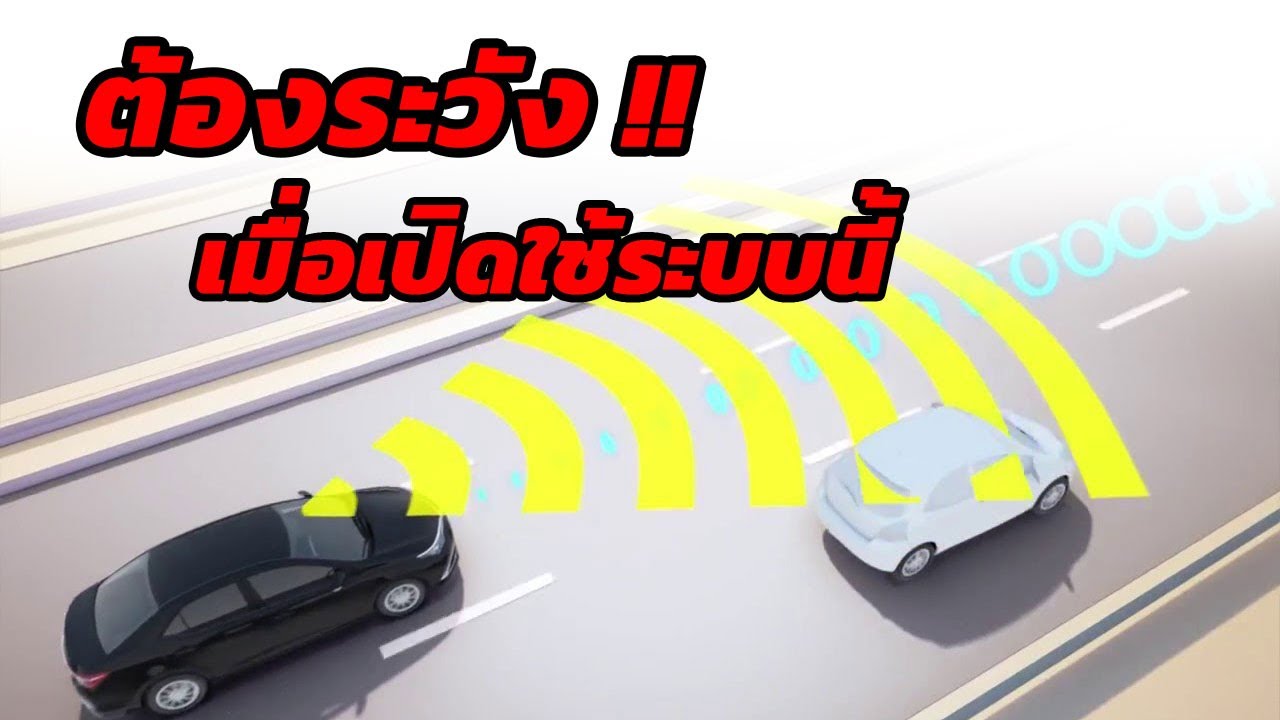
If you’re on a straight freeway, fuel economy tends to be higher anyway, and using cruise control is a no-brainer. Cruise control is a valuable feature that can enhance your driving experience by providing comfort, convenience, and fuel efficiency. Remember to use it safely and appropriately based on driving conditions, and always stay attentive while on the road. Now, if conventional cruise control is your old reliable friend, then Adaptive Cruise Control (ACC) is like that friend's tech-savvy younger cousin. ACC isn't just maintaining your set speed, it's also keeping an eye on the car in front of you. If that car slows down, ACC slows your car down to keep a safe distance.

Is cruise control bad for your transmission?
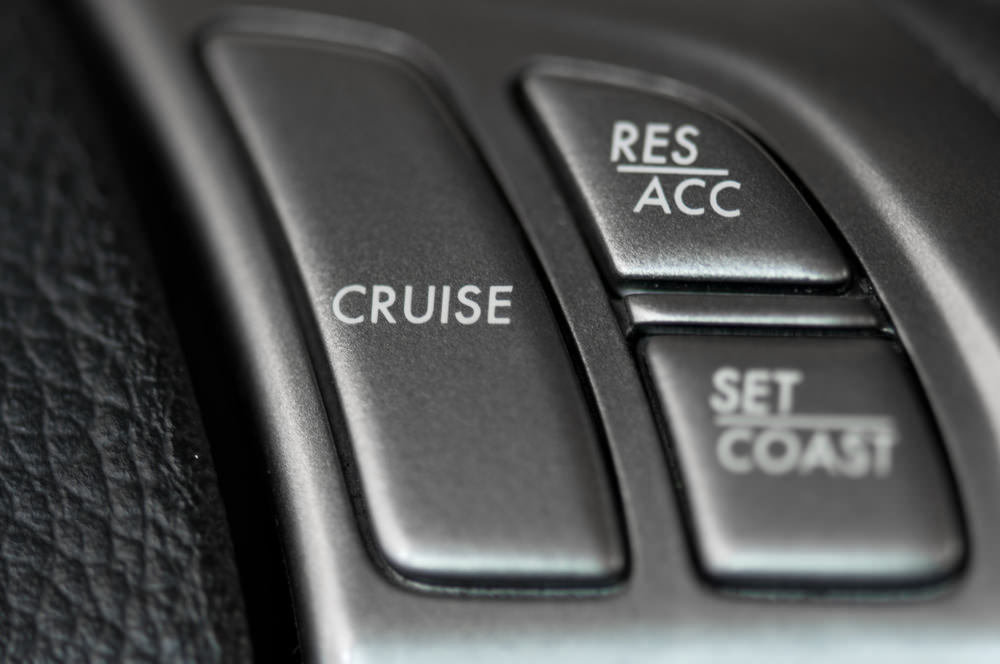
With cruise control systems getting more advanced, some of them may claim to work in these types of conditions, but it’s still best to keep control of the car fully in your hands. The reason for this is that if your car begins to skid while cruise control is in use, the cruise control will accelerate so that the car maintains a consistent speed. When the tires start moving faster, the more likely it will be you will lose control of the car. If it’s been raining, using cruise control on wet roads can increase your chances of hydroplaning. To engage cruise control, the driver usually presses a button or switch located on the steering wheel or dashboard.
How to Use Cruise Control on a Car
Adaptive cruise control can be particularly dangerous when driving in fog or other low visibility instances. This is because the sensors may not work properly if they can’t detect other vehicles or objects. You may be lulled into a false sense of security in low-visibility driving conditions if you’re accustomed to your ACC alerting you.
ACC uses external sensors to read the surroundings around your vehicle, instructing cruise control to keep a safe distance behind other cars and even applying brakes when needed. If the road surface is snowy, icy, slushy or very wet, you’ll want to think twice about switching your cruise control on. It can also help you do your part to maintain the steady and efficient flow of traffic.
Car Sounds
It is connected to the valve by a cable used as an alternative to the gas pedal when activated. Internal sensors measure the throttle position allowing the cruise control mechanism to determine when to speed up and slow down. Older cable-based cruise control systems seem more prone to this rare problem, in which the cable can slip or bind, making the throttle stick into position. More modern vehicles with electronic throttle and monitoring systems make this problem even less likely. In many cases with modern cars, it’s generally easier and more cost effective to just opt for a unit equipped with cruise control from the factory.
By not having your attention on your speed, it can be easy for drivers to lose focus and become distracted, causing an accident. Your modern cruise control system relies on various sensors and switches to do its job properly. As a failsafe, any problem with these sensors can cause the cruise control system to go offline. If you notice this happening regularly, have your vehicle diagnosed by a professional.
Can Cruise Control Be Dangerous?
This means that if a car in front of you slows down, the ACC matches their speed. The one thing ACC has in common with conventional cruise control is that it stops once you manually alter speed or turn it off. While it’s somewhat helpful for long trips, it also tempts drivers to sacrifice safety for convenience. However, drivers may have difficulty knowing when it’s safe to use cruise control features on the road. Here’s an overview of what cruise control does and when it’s better to drive manually. While those are the main reasons to not use cruise control in these types of conditions, there are other reasons why it isn’t recommended.
Cruise Control In Cars Explained (And How To Safely Use It)
Cruise control has had a positive impact on the driving industry for 70 years and shows no signs of disappearing anytime soon. While cruise control is a convenient feature for modern drivers, it is not perfect for all circumstances. In fact, utilizing the system can be quite dangerous if you’re not careful. This step will vary widely based on your vehicle make and model, however, many cruise control settings are accessible from the steering wheel controls.
In other cars with a manual transmission, pressing the clutch pedal simply pauses the cruise control system a moment, allowing drivers to complete their gearshift. When they’ve released the clutch, the cruise control picks up where it left off — no additional button press required. When driving on highways or in heavy traffic, strategic use of cruise control can aid in maintaining speed and ensuring safety.
Because you are maintaining a steady speed this allows your engine to not have to work as hard to keep your vehicle moving at a steady speed. This, in turn, allows your vehicle to get more miles per gallon out of that tank of gas which saves you money in the long run. Cruise control is a mechanism found in most cars, usually located on or near the steering wheel, and allows drivers to set their speed even with their foot off the gas pedal. With the press of a button, drivers can sit back and lock in their speed without tiring or worrying about maintaining their speed.
With an EV, can I use one-pedal driving all the time? - The Globe and Mail
With an EV, can I use one-pedal driving all the time?.
Posted: Sun, 27 Aug 2023 07:00:00 GMT [source]
It's like having an extra set of eyes on the road, making highway driving a breeze. Plus, some ACC systems can even handle stop-and-go traffic, bringing your car to a full stop and then picking up speed again when traffic gets moving. Heavy, or stop-and-go traffic is not ideal for safely using cruise control.
This is especially true in the fall time when there could be wet leaves on the road. Even if it is not raining at that time a wet road surface can cause your tires to slip especially if your tires are worn down or bald. Despite the many perks of using cruise control in the appropriate environment, it can still be dangerous if used incorrectly. Cruise control is best used on long stretches of highway or open roads with very little traffic, where you will be going at one consistent speed for an extended amount of time. The “speedostat” was a mechanism that could activate and control the vehicle’s speed by controlling the throttle valve.
Additionally, cruise control should generally not be used on twisting, winding roads—especially those you are not familiar with. Accuracy and control are far more critical when navigating these roads than speed. Super Cruise is a next-level driver assistance feature available on certain GM vehicles. We’re tasked with the safe operation of our vehicle even when these advanced systems are engaged.
Cruise control is most often used by folks on road trips or traveling long distances. Delivery services and truckers also use this feature for its convenience. Justin has written one of the largest collections of used car buyer guides on the internet, and his TV program, AutoPilot, has aired over 600 episodes across 16 seasons. With 4 years as co-chair of the Canadian Car of the Year Awards (CCOTY) program, a passion for vehicle testing shines though in all of his work. With Super Cruise, the vehicle uses special GPS hardware and sensors to accurately compare its position to a 3D map of pre-qualified highways. Your car’s Antilock Braking System works hand-in-hand with your cruise control system, and any fault with the ABS system will typically take your cruise control offline until it’s fixed.
Finally, by regulating the vehicle’s speed, cruise control helps regulate the amount of fuel used for your trip. Without the constant speeding up and slowing down, the car will use only the exact amount of gas needed and no more. Safely navigating certain slippery or dangerous driving conditions requires careful manual control of your vehicle’s throttle, and in these situations, you’re best to leave the cruise control off. However, drivers must engage the clutch to shift gears when needed, which can make using cruise control less convenient.


No comments:
Post a Comment